Hope is a quiet emotion. It does not demand attention or make loud promises. Instead, it sits gently in the background of the mind, shaping thoughts in subtle ways. In games of chance, this quiet feeling becomes one of the most powerful forces guiding behavior.
Most people assume that only big wins matter. But in reality, it is often the small wins that build something deeper and longer lasting. These small moments do not look important on the surface, yet they slowly change how a player thinks, feels, and decides.
To understand this clearly, we need to look at what happens inside the mind when these small wins appear again and again.
The First Small Win: A Quiet Signal to the Brain
When a player experiences a small win, the reaction is usually simple. It feels pleasant, but not overwhelming. There is a brief moment of satisfaction, a small lift in mood.
But inside the brain, something more important is happening.
The brain begins to connect the action of playing with the possibility of reward. This process is closely tied to a concept known as Reinforcement Learning. It explains how repeated rewards, even small ones, strengthen certain behaviors.
The player may not consciously think about it, but a quiet idea begins to form:
Maybe this can happen again.
That thought is the beginning of hope.
It is not strong at first. It is just a small seed. But once it exists, it tends to stay.

Repetition Turns Small Wins Into Belief
One small win alone does not change much. But when small wins happen repeatedly, the mind begins to see a pattern.
This is where hope starts to grow stronger.
The brain is naturally designed to look for patterns. When it sees repeated positive outcomes, it begins to assume that something meaningful is happening.
This process is influenced by the Pattern Recognition ability of the human mind. Even when outcomes are random, repeated small wins can create the feeling of progress.
The player may begin to think:
- I am getting closer
- Things are moving in the right direction
- Something bigger might happen soon
These thoughts are not based on strict logic. They are based on repeated experience.
Each small win acts like a signal pointing forward.
Why Small Wins Feel So Important
Interestingly, research shows that the brain reacts strongly not just to large rewards, but also to frequent small ones.
This is connected to the Dopamine Reward System. Every small win triggers a release of dopamine, a chemical linked to motivation and anticipation.
The key detail is this:
Dopamine is not only about the reward itself. It is also about expecting the next reward.
So when small wins happen often, they create a cycle:
- win → positive feeling
- expectation → anticipation
- next round → continued engagement
This cycle strengthens hope.
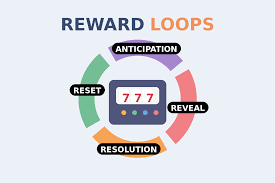
This shows how small rewards lead to anticipation, which then drives continued play.
Small Wins Reduce Fear and Build Comfort
Another important effect of small wins is that they reduce the feeling of risk.
If a player is only losing, the experience feels heavy and discouraging. But when small wins appear regularly, the session feels more balanced.
The player feels that something is coming back, even if it is not much.
This creates a sense of comfort.
Psychologically, this is linked to Loss Aversion. Small wins soften the impact of losses, making the experience feel less negative overall.
Because of this, the player is more willing to continue.
Hope grows more easily in a comfortable environment than in a stressful one.
Real Player Experience
Players often describe this feeling in simple and honest ways.
“Even small wins make me feel like I’m not too far away from something bigger.”
Another player said:
“It’s not about the amount. It’s the feeling that something is happening.”
These reflections show how small outcomes influence perception more than their actual value.
When Hope Becomes a Reason to Continue
As the session continues, hope becomes more than just a feeling. It becomes a reason.
The player is no longer playing only for the present moment. They are also playing for what they believe might happen next.
This is connected to the Expectation Bias, where past experiences influence what we expect in the future.
The mind begins to think:
- maybe the next round will be better
- maybe something bigger is coming
- maybe this is leading somewhere
Hope turns into a guide.
It gently encourages the player to stay.
The Hidden Illusion of Progress
One of the most important things to understand is that small wins can create the feeling of progress, even when outcomes are random.
This is related to the Illusion of Control. Players may feel that they are moving closer to a big win, even though each round is independent.
The feeling of progress is powerful because it gives direction.
It makes the player feel like continuing has meaning.
Why This Pattern Feels Natural
Nothing about this process feels forced.
Each step makes sense in the moment:
- a small win feels good
- repeated wins feel encouraging
- encouragement creates hope
- hope suggests continuing
Because everything happens gradually, the player rarely notices how strong the effect becomes.
Staying Aware Without Losing Enjoyment
Hope is not a negative thing. It is a natural human emotion that adds excitement and meaning to experiences.
The key is awareness.
Players can stay in control by noticing when hope begins to guide decisions more than intention.
Simple actions can help:
- checking whether you are playing for enjoyment or expectation
- setting limits before starting
- taking breaks to reset your thinking
- asking yourself what you are hoping for
These small pauses bring clarity.
Final Thought
Hope does not suddenly appear in a strong form. It grows slowly, built from small repeated moments.
Each small win adds a layer. Each positive signal strengthens belief. Over time, these layers create a quiet but powerful expectation that something better is coming.
That is why players often continue longer than they planned.
Not because of one big moment, but because of many small ones.
When you understand this, you begin to see how your own thoughts are forming during play.
And once you see it, you can choose how much space hope should have in your decisions.
Because hope can make the experience enjoyable, but awareness is what keeps it balanced.