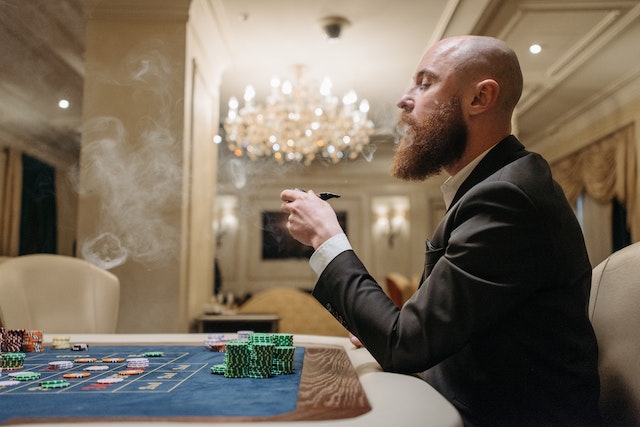
Anger is not a quiet emotion. It arrives quickly, brings heat into the body, and changes the way the mind works. In games of chance, this shift can be subtle at first, but its effects can become very strong over time.
A player may begin calmly, thinking clearly and making careful decisions. But after repeated losses or frustrating moments, something starts to build. That steady calm slowly gives way to tension, and tension can turn into anger.
Once anger enters the picture, decision making begins to change in ways the player may not fully notice.
When Frustration Slowly Turns Into Anger
At the start, losing a few rounds does not feel serious. The player understands that ups and downs are part of the experience. But when losses continue, the mind starts searching for meaning.
Questions appear quietly:
Why is this happening
Why am I not getting a better result
When there are no clear answers, frustration begins to grow. This is a natural response. The brain does not like situations it cannot explain or control.
Over time, that frustration builds pressure. It creates a feeling of inner tension. The body may feel tighter. Thoughts may become sharper and less patient.
Psychologists often describe this build up as part of Frustration-Aggression Hypothesis, where blocked goals or repeated setbacks increase the likelihood of anger.
At this stage, the player is no longer fully calm.
They are reacting emotionally, even if they do not say it out loud.
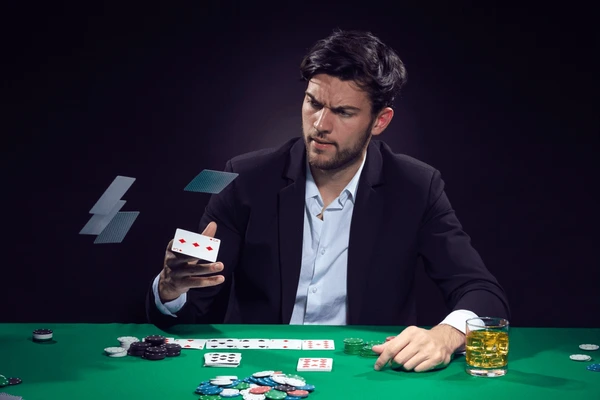
Anger Changes How the Brain Processes Risk
Once anger takes hold, the brain begins to shift its priorities.
Instead of focusing on careful thinking, it focuses on action.
This is closely connected to the Amygdala Hijack, a process where emotional reactions override rational control.
When this happens:
- thinking becomes faster
- patience decreases
- reactions replace analysis
The player no longer wants to pause and reflect. They want to act immediately.
And this is where risk begins to increase.
Why Anger Leads to Bigger Bets and Faster Moves
Anger creates a strong sense of urgency.
It makes the current situation feel unacceptable, as if something must be fixed right now. This urgency pushes the player toward bold actions.
Instead of following a steady approach, they may:
- increase bet size
- skip pauses between rounds
- make quicker decisions without thinking deeply
This behavior is linked to changes in Risk Perception. When people are angry, they tend to underestimate risk and overestimate their ability to change outcomes.
The player may feel more confident, even if that confidence is not based on clear thinking.
It feels like taking control.
But in reality, it is a reaction to emotional pressure.
The Strong Desire to Recover Losses
One of the most powerful effects of anger is the need to recover what has been lost.
The player feels that the current outcome is not acceptable. They want to return to balance as quickly as possible.
This is closely related to Loss Aversion. Losses feel more intense than gains, and anger amplifies that feeling.
As a result, the player may begin to think:
- I need to fix this quickly
- one strong move can change everything
- I cannot stop like this
This mindset leads to larger and riskier decisions.
Instead of thinking step by step, the player looks for a fast solution.
Real Player Reflections
Many players describe this shift in simple terms:
“When I get angry, I stop thinking and just try to win it back quickly.”
Another player shared:
“I know I should slow down, but in that moment it feels like I need to act fast.”
These experiences show how natural this reaction is.
Anger Creates a False Sense of Control
Another important change is how anger affects confidence.
Anger can make a person feel stronger and more certain. It creates a sense of boldness that feels like control.
This connects to the Illusion of Control, where players feel they can change results even when outcomes are random.
In this state:
- risks feel smaller than they are
- bold actions feel justified
- stopping feels like giving up
This makes it even harder to step back.
The Quiet Loss of Awareness
One of the most important effects of anger is that it reduces awareness.
The player becomes focused on the immediate problem rather than the overall situation.
They stop asking:
Is this a good decision
Should I slow down
Instead, they move forward automatically.
The emotional voice becomes louder than the rational one.
A Simple Way to Regain Control
The key is not to remove anger completely. That is not realistic. Anger is a natural human emotion.
The goal is to recognize it early.
Small actions can make a big difference:
- pause when you feel tension rising
- take a short break before making the next decision
- slow down your actions on purpose
- notice when urgency starts to take over
Even a short pause can reduce the intensity of emotion and bring clarity back.
Final Thought
Anger does more than change how a player feels. It changes how they see risk, how they make decisions, and how quickly they act.
It creates urgency, increases confidence, and pushes toward bigger risks.
But these decisions are not coming from calm thinking.
They are coming from a desire to escape a feeling.
When a player understands this, they can begin to notice the moment when anger appears.
And in that moment, even a small pause can make a powerful difference.
Because control does not come from acting quickly.
It comes from knowing when to slow down.