
At first, the idea sounds almost impossible.
How can someone feel relief after losing everything?
Loss is usually connected with stress, regret, and disappointment. That is what we expect. And in many situations, that is exactly what happens. But if you listen carefully to real player experiences, you will notice something more complex.
After a long session filled with ups and downs, chasing wins, and holding onto hope, there comes a moment when everything is gone. And instead of more stress, there is often a quiet, almost surprising feeling of relief.
It is not happiness. It is not satisfaction. It is something softer. Like a deep breath after holding tension for too long.
To understand this, we need to look at what builds inside the mind during extended play.
The Emotional Weight That Builds Over Time
At the beginning of a session, the mind feels light. There is curiosity, maybe excitement, and a sense of control. But as rounds continue, emotions begin to accumulate.
Every outcome leaves a small mark:
- a win brings excitement
- a loss creates disappointment
- a near win builds tension
- a streak creates expectation
These emotions do not disappear. They layer on top of each other.
Over time, the player is no longer just playing a game. They are carrying a mix of feelings that grow heavier with each round. Hope, frustration, anticipation, and pressure all begin to blend together.
This buildup is closely related to what psychologists call Emotional Load. It describes how repeated emotional experiences create a kind of invisible weight in the mind.
At first, the weight is easy to ignore. But after a long session, it becomes harder to carry.

The Pressure of Wanting to “Fix” the Situation
As the session continues, the player often develops a quiet goal.
If they are losing, they may want to recover.
If they are winning, they may want to protect or increase those gains.
Either way, the mind starts focusing on reaching a “balanced” or satisfying point.
This creates pressure.
The player is no longer just playing for enjoyment. They are trying to resolve something. That unresolved feeling keeps them engaged and makes it harder to stop.
This behavior is linked to the Loss Aversion principle, where losses feel more significant than gains. Because of this, players often continue longer to avoid ending on a loss.
Uncertainty Is the Real Source of Tension
One of the biggest hidden sources of stress during play is uncertainty.
The player does not know what will happen next. Will the next round improve things? Will it make things worse?
This constant “not knowing” creates a silent tension in the mind.
As long as the session continues, that tension stays alive.
Psychologists describe this discomfort as part of Uncertainty Stress. Humans naturally prefer clear outcomes over ongoing uncertainty, even if the outcome is not ideal.
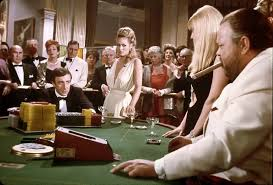
Why Losing Everything Ends the Tension
Now we come to the turning point. When everything is gone, something very important changes. The uncertainty disappears. There is no next decision to make. No next round to consider. No question about what might happen. The mental loop stops. This creates a sense of closure.
This effect is connected to the Closure Principle, where the mind seeks completion and resolution.
Even though the outcome is negative, it is final.
And finality brings calm.
One player described this moment simply:
“Once it was all gone, I stopped thinking. It was over, and strangely, that felt easier.”
This is the key idea.
The relief does not come from losing. It comes from the end of uncertainty and decision-making.
Emotional Exhaustion and the Need to Stop
Another important factor is mental fatigue.
Long sessions slowly drain emotional energy. Every decision, every reaction, and every moment of hope or frustration uses mental effort.
This leads to what psychologists call Emotional Exhaustion.
When this state builds, the mind begins to crave rest.
But stopping is difficult while there is still something left to play for. The player keeps thinking, maybe one more round will change things.
So the cycle continues.
Until it cannot.
When everything is gone, the cycle breaks automatically.

Real Player Reflections
Many players describe this moment in similar ways.
“I was stressed while playing, but once I lost everything, I felt calm again.”
“It’s strange, but the pressure disappears when there’s nothing left to think about.”
These experiences highlight the same pattern.
The relief is not about the loss itself. It is about the end of the mental struggle.
The Brain Prefers an Ending Over Endless Pressure
The human mind does not like unresolved situations. It prefers a clear ending, even if that ending is not perfect.
This idea is also connected to the Peak End Rule, where the final part of an experience strongly influences how it is remembered.
When the session ends, the brain shifts from active engagement to reflection. The pressure fades, and what remains is a quieter state.
A Healthier Way to Find That Relief
The most important insight is this:
The relief does not come from losing everything.
It comes from:
- the end of tension
- the end of uncertainty
- the end of emotional pressure
Once you understand this, you can find that same sense of calm earlier, without reaching the point of loss.
Some simple ways to do this include:
- taking breaks before tension builds too much
- setting a clear stopping point before starting
- stepping away when you feel emotional pressure rising
- pausing to reset your mind
These actions create small endings within a session.
Final Thought
The feeling of relief after losing everything may seem confusing at first, but it becomes clear when you understand the journey leading up to that moment.
It is not the loss that brings peace.
It is the end of effort, the end of uncertainty, and the release of emotional weight.
The mind simply lets go.
And once you recognize this pattern, you gain something important.
You no longer need to wait for everything to end to feel that calm.
You can create it earlier, in smaller moments, and stay in control of both your time and your experience.
That is where true balance begins.